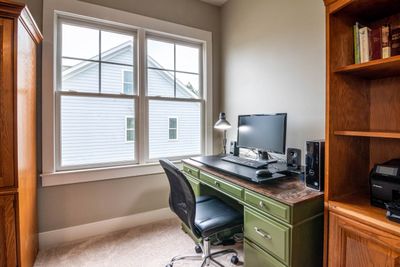
Most advice on this skips straight to recommendations. It's worth starting somewhere more basic: desk placement relative to light.
Key takeaways
- Desk placement relative to light is worth deciding deliberately, not defaulting into.
- Cable management is worth deciding deliberately, not defaulting into.
- Separating work zone from rest of room matters more in practice than it looks like on paper.
Desk placement relative to light
Consider desk placement relative to light in the context of everything else in play, not on its own. A choice that works in isolation can still throw off the balance of the rest.
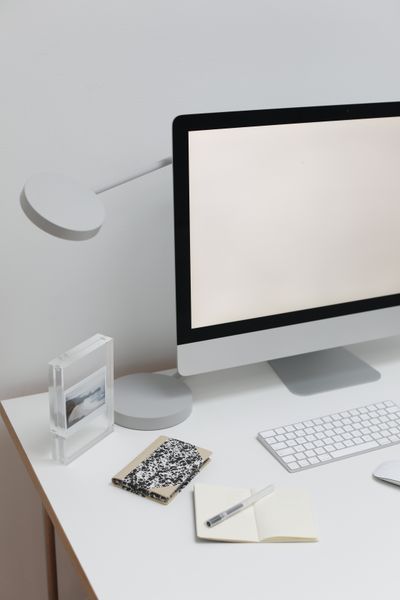
Cable management
Consider cable management in the context of everything else in play, not on its own. A choice that works in isolation can still throw off the balance of the rest.
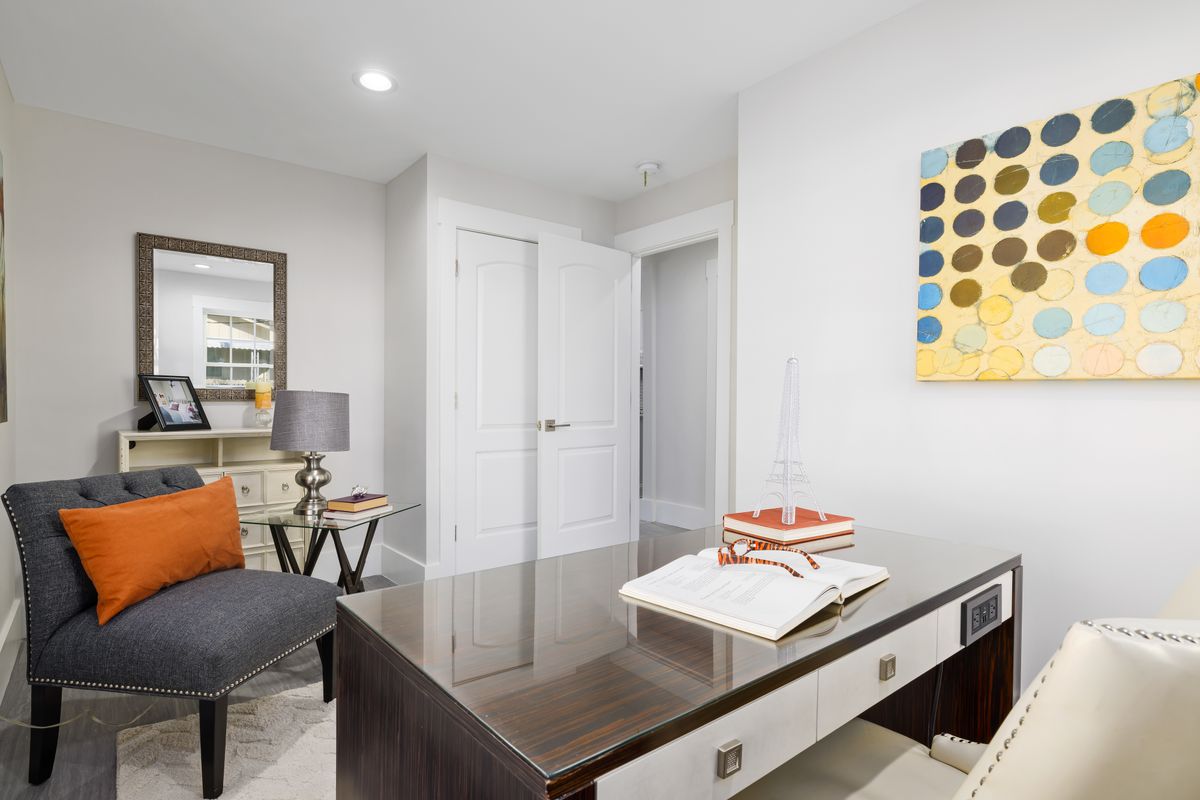
Separating work zone from rest of room
One thing that's easy to underestimate is separating work zone from rest of room. It doesn't take long to get right, but it's the detail that separates a system that works from one that just looks finished on day one.
Lab note
Write down what isn't working before you start changing anything. It's easy to lose track of the original problem once new options are on the table.
Frequently asked questions
Does this apply if I'm renting or working with a temporary setup?
Most of the ideas here don't require permanent changes, so they translate reasonably well to a temporary or rented situation.
Do I need to spend a lot of money to see a difference?
Not necessarily. Many of the ideas here are about planning and habit rather than new purchases, and they're worth trying before spending on anything new.
How long does this usually take to get right?
It depends on the scope of what you're changing, but most people see the biggest improvement from the first few adjustments rather than from doing everything at once.